Vendeur: Organicindiaseeds
Monarda Didyma Bergamot Seeds for Vibrant Gardening Enthusiasts
6,94 €13,23 €47% OFF
Détails du produit
Monarda Didyma Bergamot Seeds
Key Features:
- Mature Height: Typically grows to 2-4 feet, making it an ideal addition to garden beds, borders, and pollinator gardens.
- Light Requirements: Thrives in full sun to partial shade, offering flexibility for placement in various garden settings.
- Soil Requirements: Prefers well-drained loamy soil with good organic content to ensure optimal growth and flowering.
- Uses: Known for its aromatic leaves and attractive, vibrant flowers, Monarda Didyma is perfect for adding color and fragrance to garden beds, borders, and pollinator gardens.
- Attractive Flowers: Produces stunning, vibrant red or pink flowers that are not only beautiful but also attract bees, butterflies, and hummingbirds.
- Aromatic Foliage: The leaves have a distinct, minty fragrance that adds to the sensory appeal of your garden.
- Pollinator-Friendly: A favorite of bees and other pollinators, helping to create a thriving, sustainable garden ecosystem.
-
Seed Preparation:
- No special pre-treatment is required. However, soaking seeds overnight can sometimes enhance germination.
-
Sowing:
- Timing: Sow seeds indoors 6-8 weeks before the last frost date, or directly outdoors after the last frost has passed.
- Method: Scatter seeds thinly on the soil surface and lightly press them into the soil, as they require light for germination.
-
Germination:
- Germination usually occurs within 10-14 days when kept at a temperature of around 70°F (21°C). Keep the soil consistently moist until seedlings emerge.
-
Transplanting:
- Once seedlings have at least two sets of true leaves, transplant them into well-prepared garden beds or containers with a spacing of 12-18 inches apart to allow for proper growth.
- Watering: Keep the soil evenly moist, especially during dry spells, to ensure healthy growth.
- Fertilizing: Fertilize lightly with a balanced fertilizer in early spring and again in midsummer for optimal growth.
- Pruning: Deadhead spent flowers regularly to encourage prolonged blooming and prevent self-seeding.
- Pests and Diseases: Monitor for common pests such as aphids and powdery mildew. If detected, treat promptly to prevent damage.
Vous aimerez aussi
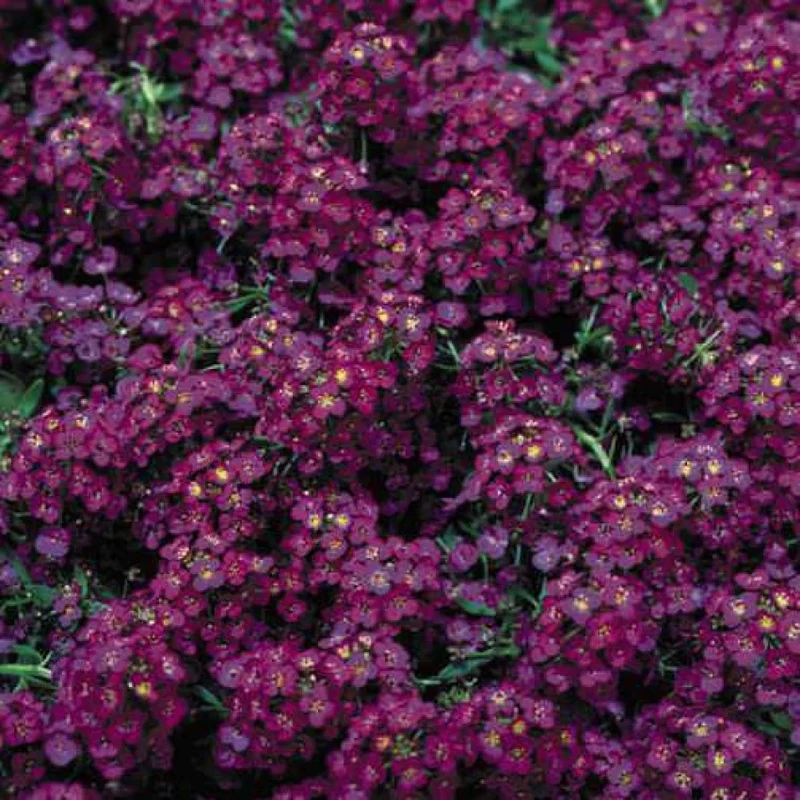 PromotionAlyssum Seeds (Wonderland Deep Rose Alyssum Seeds) - Compact Deep Rose Blooms for Borders & Gardensorganicindiaseeds
13,23 €7,77 €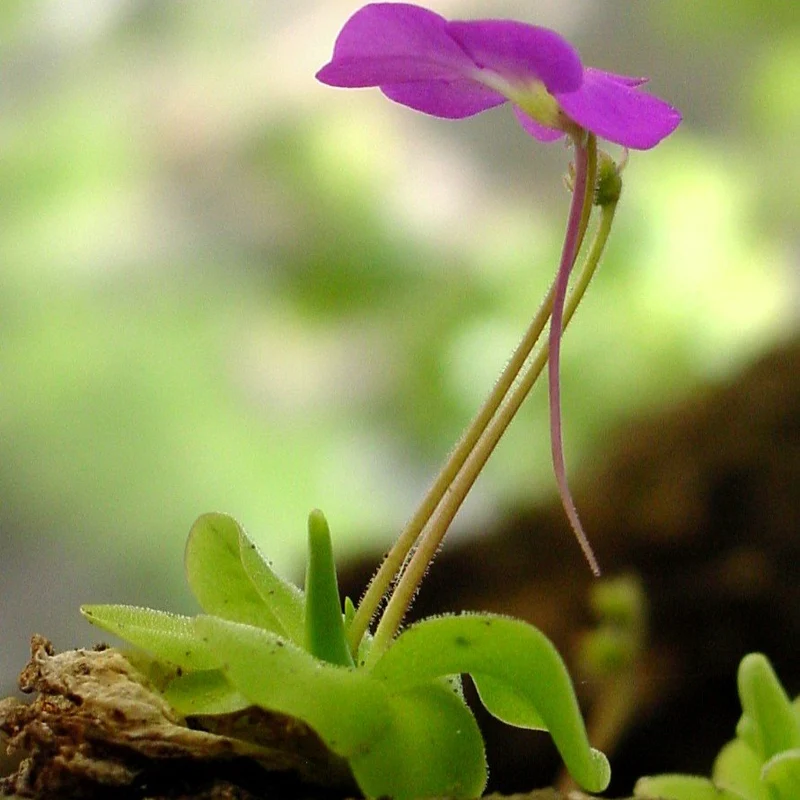 PromotionMexican Butterwort Seeds, PlantingOrganicindiaSeeds
13,23 €8,27 € PromotionRare Variety Zinnia Seeds – Heat Tolerant Garden Blooms for PlantingOrganicindiaseeds
13,23 €9,04 €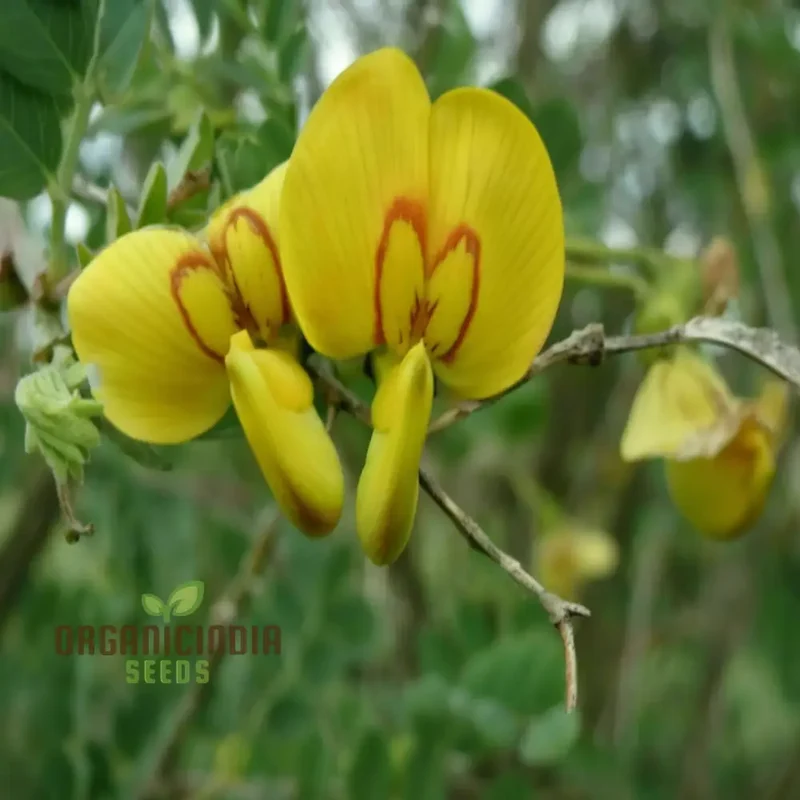 PromotionBladder Senna Flower Seeds – Unique Hardy Blooms for Ornamental Garden Plantingorganicindiaseeds
13,23 €7,78 €